Sport Should Walk Away From Gambling Marketing
The Premier League has taken betting off the front of its shirts, while the NBA has just signed prediction market deals. With young fans watching, here’s why sport should walk away from gambling marketing without waiting for a law.
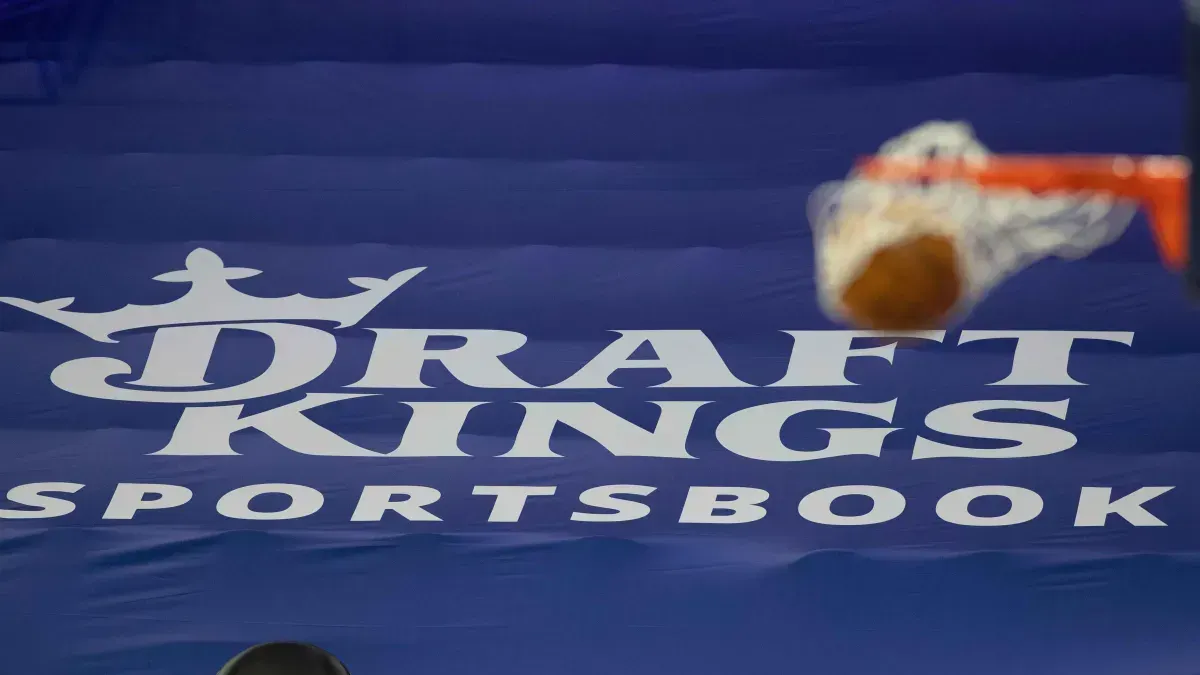
Gambling marketing in sport is a serious serious problem across the world. In an ideal world it would stay far away from sport and be banned, and I know that’s easier said than done. Steps have already been taken, from the Premier League’s shirt-front ban to Brazil’s new warning labels, and more should follow, starting with the leagues and clubs themselves. But unfortunately I can’t see it completely gone.
Let’s zoom out for a second. Gambling is known to come with many problems. In Great Britain alone, the Gambling Commission’s 2025 survey estimated 1.4 million adults, 2.7% of the population, have a gambling problem, and another 1.6 million are at risk. Worldwide, the Lancet Public Health Commission estimated in 2024 that 448.7 million adults face some level of gambling risk, with about 80 million affected by gambling disorder or problem gambling. Beyond the money, gambling harm is linked to depression and anxiety, broken relationships, and in the most serious cases suicide. As this may be, I’m not saying every bet ends in harm, and I’m not pretending that gambling will disappear. It’s more so who is most at risk.
The sporting world gives gambling brands an enormous audience that is heavily invested, whether that’s emotionally or financially or both, watching teams for hours, and following them for years. That audience includes children and young adults. Children aged 11 to 17 see an average of 14 gambling sponsorship messages in a single Premier League match, and almost a third of them can name three or more gambling brands without being prompted. Four in five young people (79 percent) have at some point seen or heard adverts or promotion about gambling through either an online or offline source.
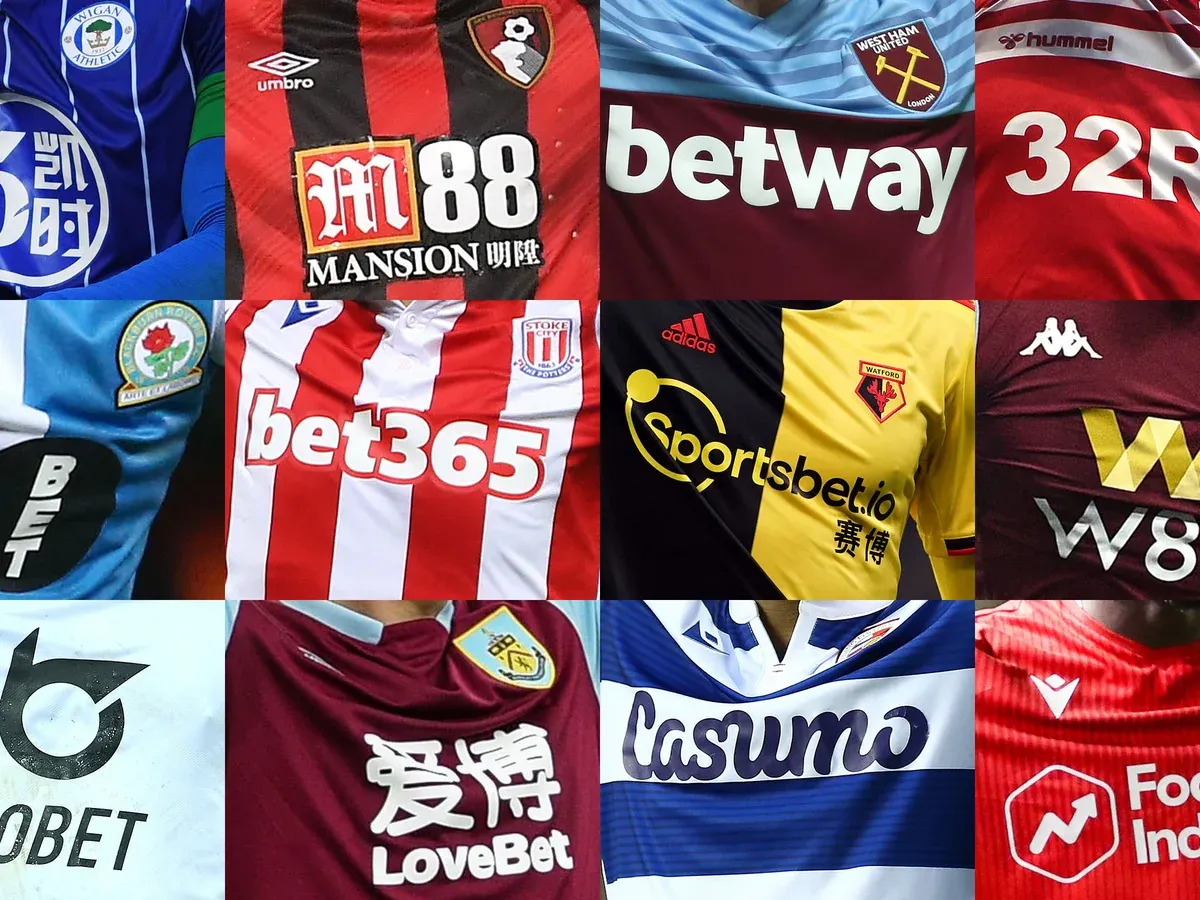
More than three quarters cited an offline source (77 percent), with TV being the most common (64 percent), followed by sport events, including branding on players’ shirts and around pitches (47 percent) and posters and/or billboards (45 percent). Two in five heard adverts or promotion about gambling on the radio or saw them in newspapers or magazines (39 percent in both instances).
Marketing through sport does something quieter as well, because it attaches betting to the club on the shirt and the player on the screen, and makes it feel like part of being a fan. That’s why this isn’t only about what people choose to do with their own money.
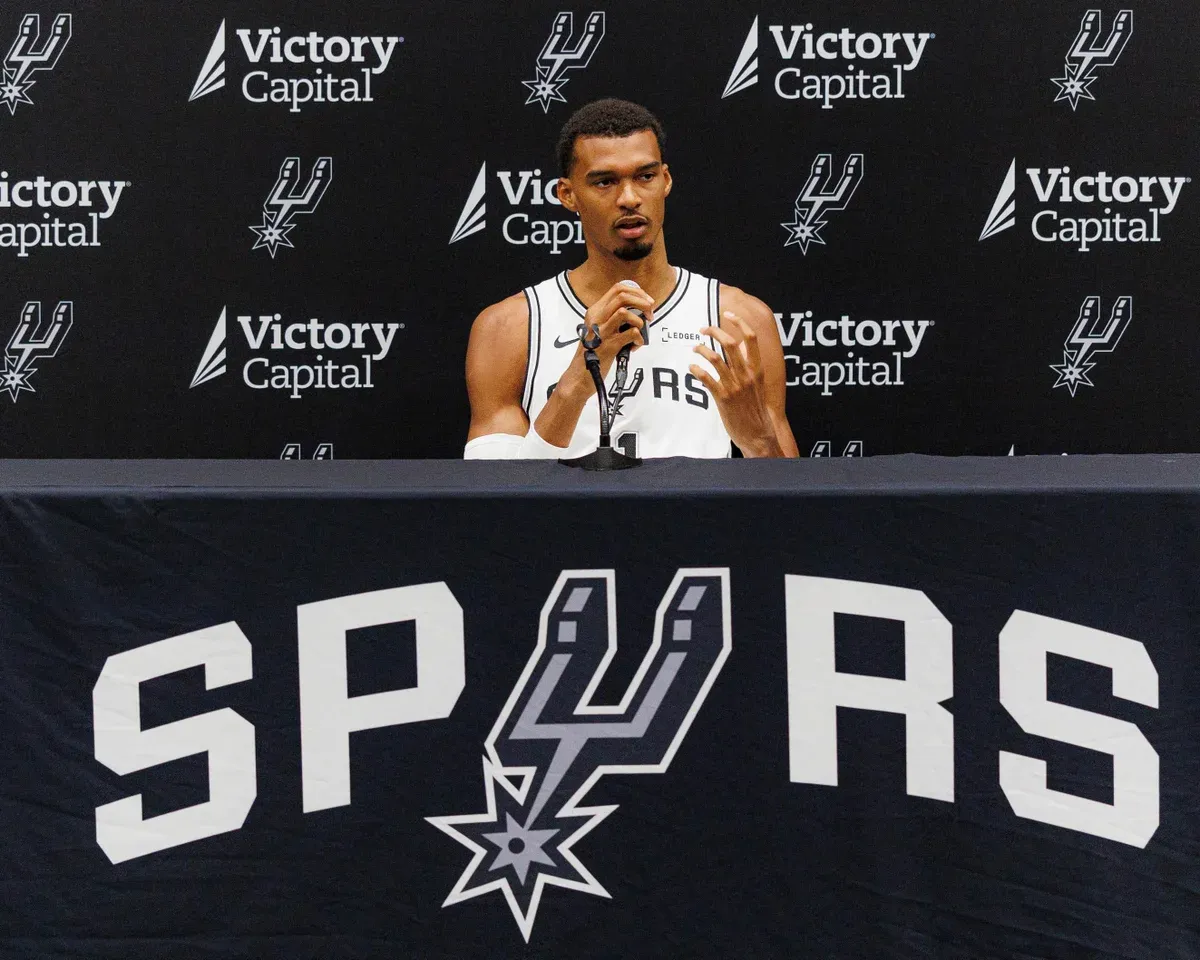
So back to the sports part of this. Gambling seems to be moving in two directions at once. In England, the Premier League has started its first season without betting sponsors on the front of its shirts, although sleeves and pitchside boards are untouched. Across the Atlantic, the NBA has just announced partnerships with the prediction market exchanges Kalshi and Polymarket, and the money behind betting in the US keeps climbing. The players are split too. LeBron James has signed an endorsement deal with Polymarket, promoting American football rather than basketball. Victor Wembanyama went the other way. “I will never do that,” he said. “Honestly, I think it’s very sad to see some players promote it.”
Other countries show how fast it can escalate, and how slowly governments respond. Brazil legalised betting in 2018, and 25.2 million Brazilians placed a bet in 2025. During the World Cup, one fintech’s data suggested the share of Brazilians betting jumped from 11% to about 35% in around six weeks. In Australia, where people lose more to gambling per head than anywhere else, a parliamentary inquiry recommended a phased ban on gambling ads in 2023, and roughly 75% of Australians backed one. The government’s answer, starting 1 January 2027, is a watered-down version with no ads during live sport, at venues or on uniforms, but no full ban.
It’s clear gambling marketing can do damage. So why hasn’t it been completely banned? The main answer is money. Betting companies are some of the biggest spenders in sport, and one expert estimates Premier League clubs lose around 38% of their shirt-front value when they swap a betting sponsor for another category. Governments have their own reasons to hold back. In the US, advertising rules run into free speech protections, and many states now collect serious tax revenue from betting, so the people who would write the rules are also the ones being paid by the industry. Brazil is the clearest example. It collects billions from betting taxes while calling the fallout a public health issue. Even where a ban has been tried, it doesn’t always stick, and Italy, which banned gambling advertising in 2019, is now reconsidering it. Prediction markets make it messier still. Companies like Kalshi and Polymarket argue they are not sportsbooks at all, and the courts are divided on whether they are right.
The case for staying in is easy to make. Betting money is real, clubs rely on it, and people will bet whether sport promotes it or not. Supporters of the current system also say regulated operators are safer than the black market, and that adults are free to spend their own money how they like. None of that is nonsense, but none of it settles the question either.
Lost sponsorship is a cost, but it is one the industry can absorb. Premier League clubs have taken a hit on their shirt fronts and carried on, and other brands have stepped into the gap. A sponsor in another category will pay less, but sport is still a very valuable place to advertise. People who bet will keep betting, and I’m not claiming a league walking away from a sponsor changes that overnight. What it changes is who sport is putting in front of its fans, and how normal it makes betting feel for the children and young people watching.
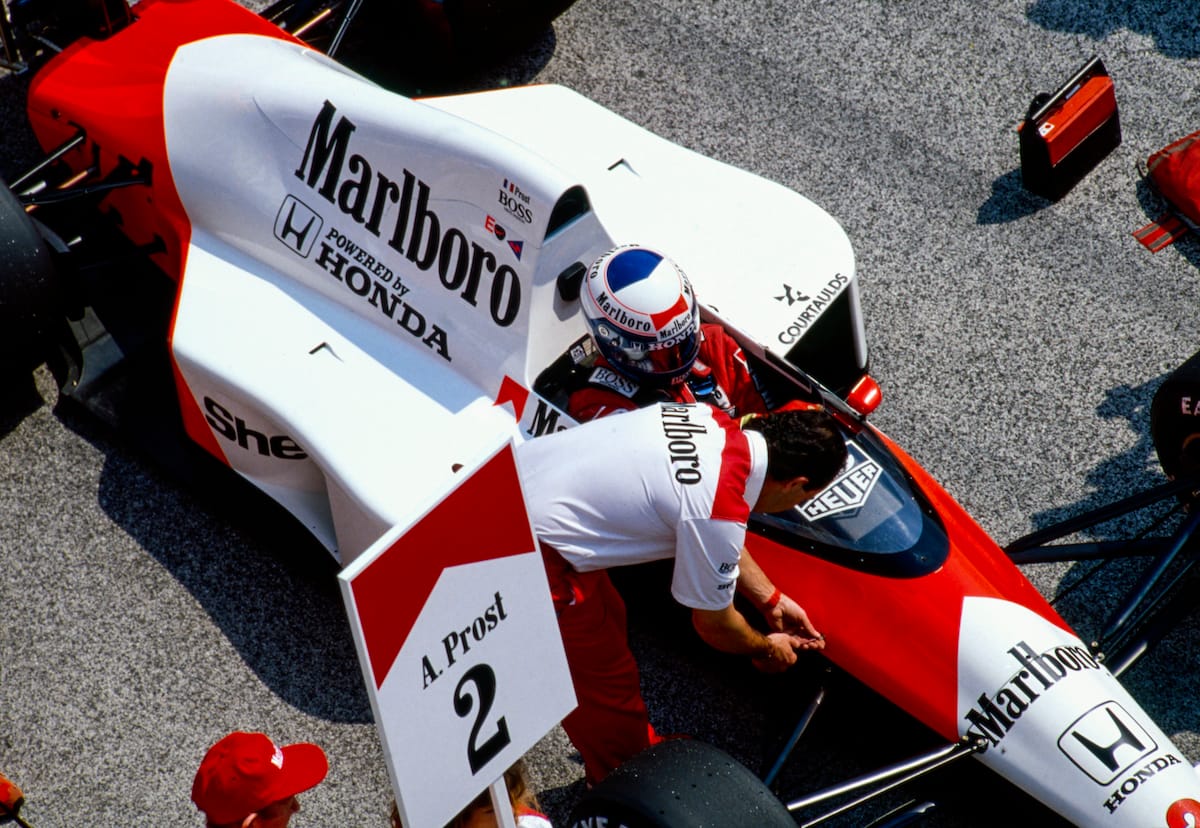
Sport has been here before. For decades tobacco was one of its biggest sponsors, from the Embassy name on the snooker world championship to the cigarette branding on Formula One cars. The UK restricted tobacco advertising first, and then in 2005 banned sponsorship of global events like Formula One under the Tobacco Advertising and Promotion Act. The sports involved argued they would lose money, and they carried on regardless, and nobody now looks at a picture of a driver in cigarette colours and wishes it back. The difference is that tobacco needed a law. Betting doesn’t have to wait for one, because a league or club can make the decision itself, and the longer it waits the more it looks like a choice to keep the money.
Nobody is asking sport to fix gambling, because that is a job for governments, and as we’ve seen they move slowly. What sport controls is what it puts in front of its own fans. Victor Wembanyama said he would never promote betting, and no law made him say it. Leagues, clubs and organisations can take the same position, and whichever big name does it first will tell fans more about what it stands for than any shirt sponsor could.