What has happened to Nike?
Nike is still the biggest name in sport, but its rivals now see the top spot as within reach. A look at the marketing bets that opened the door, and what a way back could look like.
They’re still on top, but for how long?
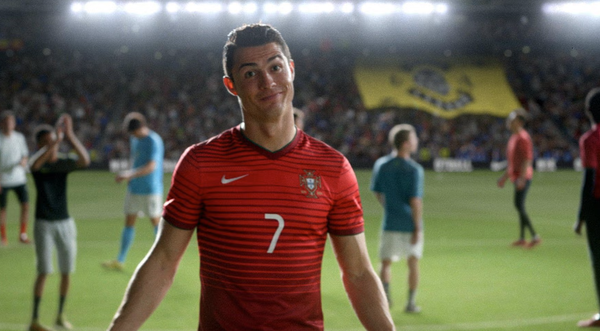
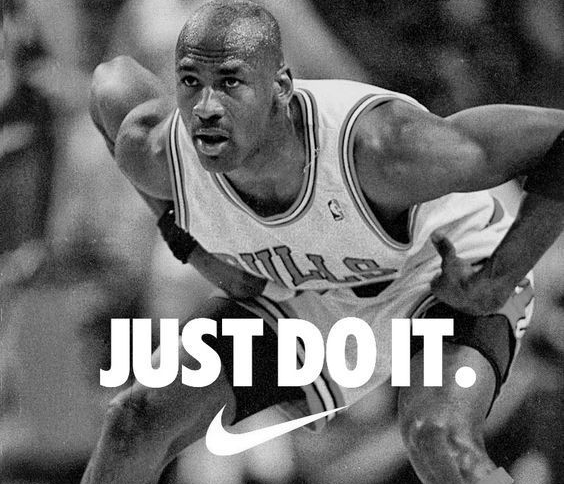
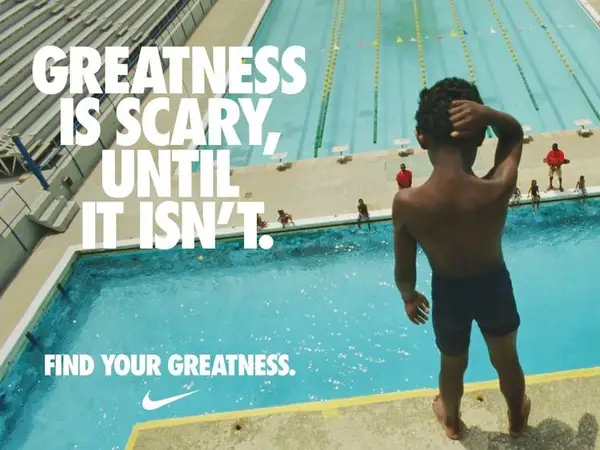
Nike have been synonymous with sport for decades. Michael Jordan, Just Do It, Cristiano Ronaldo, a swoosh. Their brand power was unmatched, and everyone knew what Nike did and championed, which was sporting excellence.
Until now?
Nike are still undoubtedly number one. But their perch is not as high as it once was, and competitors can now see that top spot.
Even the stock market has noticed. In September, Nike was dropped from the S&P 100, a list of the 100 largest companies in the US, after nearly 18 years on it and a sharp fall in its value. Its shares now sit roughly 80% below their 2021 peak. I’ll leave the detail to the finance people, because the marketing side is where the story gets interesting.
Let’s look at who has gone. Kylian Mbappé joined Nike as a child and stayed for nearly two decades, but when his contract ended in July, Nike reportedly chose not to renew, and he has signed with On, a running brand taking its first steps in football. Croatia ended a 26-year partnership to join adidas. In the Premier League this season Nike supplies just three clubs, and across all 92 English league clubs it supplies only five, according to Footy Headlines.
It isn’t only football (or soccer). In US college football, Penn State is leaving Nike after 32 years for adidas, in a deal reported at $300 million through 2036. Ole Miss, a Nike school since 1999, switches to adidas on 1 July 2027 in a seven-year deal, and Tennessee is heading the same way. In the shops, On’s sales rose 30% in 2025 and Hoka’s rose almost 24% in the year to March 2025, while Nike’s own sales fell 4% in its latest quarter. Rivals are winning key athletes, national teams, universities and shelf space.
To be fair to Nike, it isn’t losing everywhere. Germany’s national team moves to Nike from 2027 after more than 70 years with adidas, and Nike is in exclusive talks to supply the Champions League match ball. In college football it picked up South Carolina, Rice, South Dakota and Miami this year. Nike has also just become kit partner of the Mumbai Indians’ men’s and women’s teams, in a multi-year deal that returns it to the IPL for the first time since the tournament’s opening season. So they can still land big stages in more than one sport. Are they choosing to focus their efforts more?
The bet that was easy to measure
Nike’s recent troubles started with a decision to sell direct, through its own app and its own stores, with its own customer data and fewer products going through retailers. To back that up, Nike leaned heavily on performance marketing, the data-led kind where every click and every sale can be traced. You know what each ad cost and what it brought in, and any finance team would love that clarity.
The catch is that what’s easy to measure and what grows a brand are often two different things. Marketing research has argued for years that brands grow mainly by reaching lots of people, including those who have never bought from them, and by being easy to find when those people are ready to buy. Existing fans were going to buy anyway. Hitting them with offers and conversion ads does very little to bring in anyone new, and some commentators argue it made Nike feel less like a cultural icon and more like another retailer with a sale on. This is the company behind the Jordan partnership and the Kaepernick campaign, which were built on emotion, the hardest kind of marketing to fit into a spreadsheet. Nike put its weight behind the part it could count.
The space it left behind didn’t stay empty either. On and Hoka moved onto the shelves where Nike used to be. A shelf is where a shopper meets a brand, and a customer who finds a Hoka where they’d have picked up a Nike may well never go back.
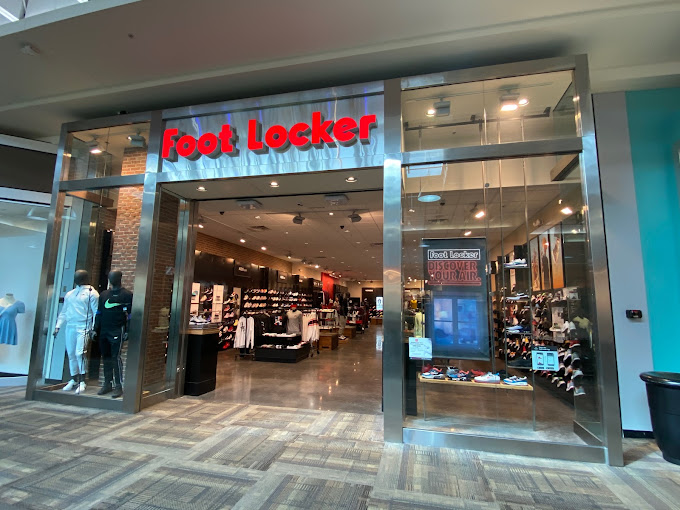
The latest results suggest the bet hasn’t paid off yet. In the quarter to the end of August, Nike’s own online sales fell 13% and its own stores fell 5%, and the retailer relationships it let slide, with names like Foot Locker and JD Sports, are the ones it has had to rebuild. Nike has said a full turnaround could take 24 to 36 months, so the fix is under way, but it isn’t finished.
Everyone knew what Nike stood for. Do they now?
Meaning is the second problem, and it’s the one I find more interesting.
For decades Nike’s idea was greatness, and it was big enough to cover everyone from schoolkids to Olympians. That worked when Nike was the only brand saying it. Now every challenger has found a sharper answer to the question of what it stands for. On has built itself around running, and Hoka around cushioned comfort. A runner choosing between them and Nike is choosing between one clear promise and one very large one.
Reporting on the running market points to something that has nothing to do with ads, which is that smaller brands have taken share by showing up at run clubs and community events, in front of the same people every week at a fraction of the cost of a billboard. That’s a boots-on-the-ground approach, and it’s hard to measure in clicks, which may be why a performance-led Nike didn’t prioritise it. The encouraging part for Nike is that running is where it has recovered best, with double-digit growth for five quarters in a row according to Fortune. When Nike commits to a sport properly, people respond.
The athlete problem
Mbappé’s move shows how the athlete model has shifted. I don’t know the terms of his deal, but the logic isn’t hard to follow. At a challenger like On, which has made him its first football signing and hired Thierry Henry as director of football, he can be one of the biggest faces of the brand and central to the story. At Nike, he was one name among hundreds, however famous. Athletes of that level want to matter to a brand as much as they want to be paid by it.
One reading of the pattern is that Nike chose quality over quantity, concentrating on a small group of elite athletes and clubs, and reportedly spending its endorsement money elsewhere once it felt it had had the best of Mbappé. That’s a fair strategy when your names are the biggest in the game, and Paris Saint-Germain, who still wear Nike, are the obvious example. The weakness is how little cover it leaves when one of those names goes. A brand with a deeper bench of athletes and clubs, each with a reason to care about it, can lose a star and carry on telling its story.
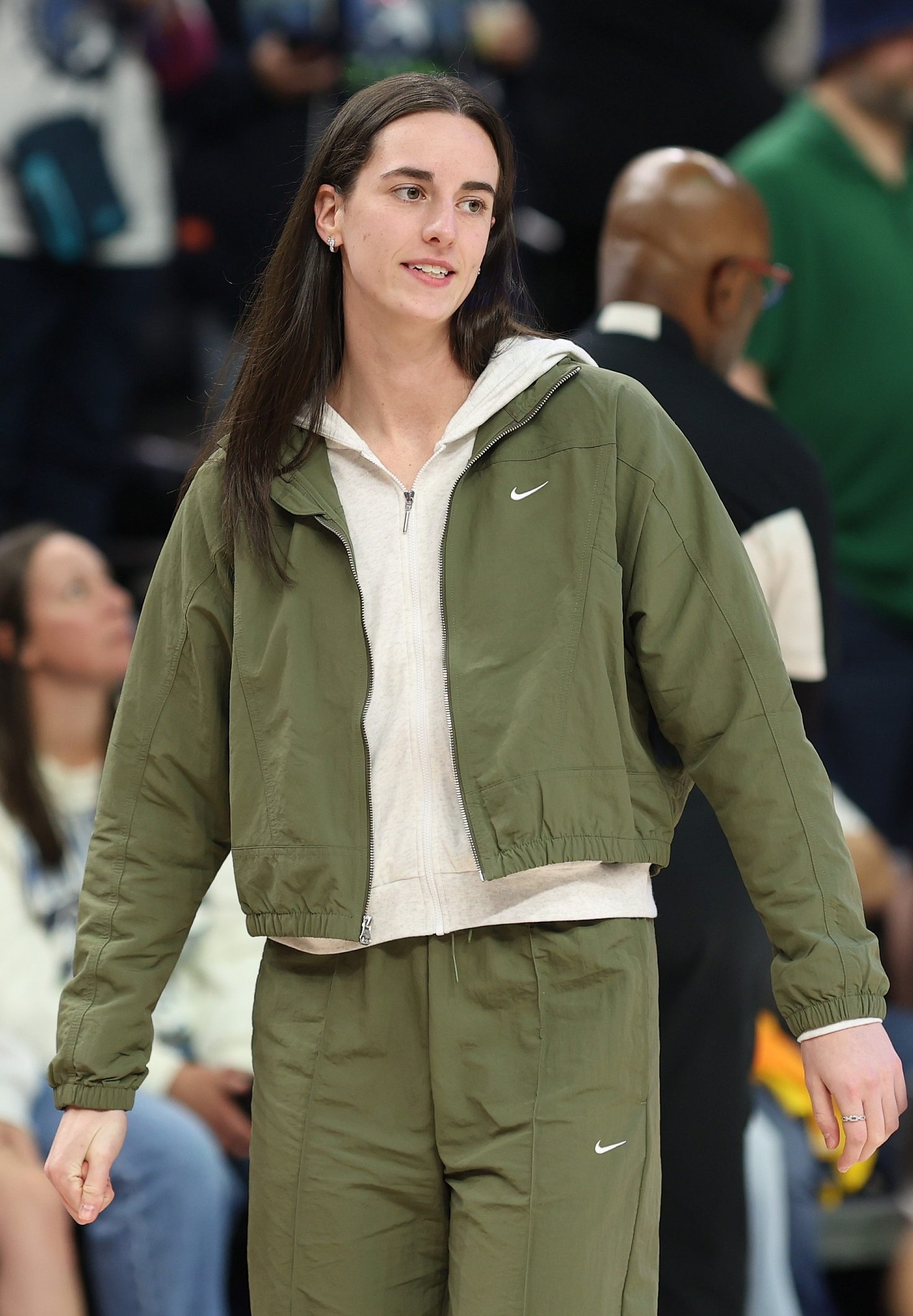
Nike does know how to do this when it wants to. It gave Caitlin Clark signature athlete status and her own logo, the kind of move that makes a player feel like a partner rather than a poster. Her first shoe, the Caitlin 1, has since been called the most successful signature sneaker launch in Nike’s history by CEO Elliott Hill, and it reportedly launched in around 5,000 stores, more than double the usual for a Nike signature shoe. The model works, so the question is why it isn’t used more widely.
What the way back looks like
I don’t think Nike needs anything outlandish. A few changes within its marketing would go a long way.
Treat retail as media. A shop shelf is the cheapest billboard a brand can have, and the Caitlin 1 shows what wide distribution can do when the product has a story behind it. Nike has already started rebuilding with retailers, and the next step is to design sport-by-sport spaces inside them and judge them on how many new customers they bring in, rather than how much Nike sells directly.
Run Nike as a set of sports brands. Each sport gets its own voice, its own athletes and its own community, instead of one big message for everyone. Nike has already reorganised around individual sports, and running shows what happens when that clarity lands. Scarcity can stay for the retro classics, but performance product should be easy to find.
Give rising athletes a stake. Clark is the template. Offer up-and-coming players co-created capsule collections and a real say in the story, a smaller version of the original Jordan deal. It costs a lot less than buying a superstar and gives younger athletes a reason to stay once they’ve made it.
Number one has to mean something
In my first piece I argued that sports marketing has traded personality for metrics, and Nike might be the biggest case study for it. The company that taught the world what sports marketing could feel like spent years getting very good at counting.
Nike won’t lose its place overnight. It’s still the biggest sportswear brand in the world, and it keeps winning the headline deals. But number one is a position you hold by meaning something clear to someone, not by size alone. Rivals have noticed, and for the first time in a long while they believe the gap can be closed.