
Where's the fun gone in sports marketing?
The best sports campaigns used to make you feel something. Where did they go?
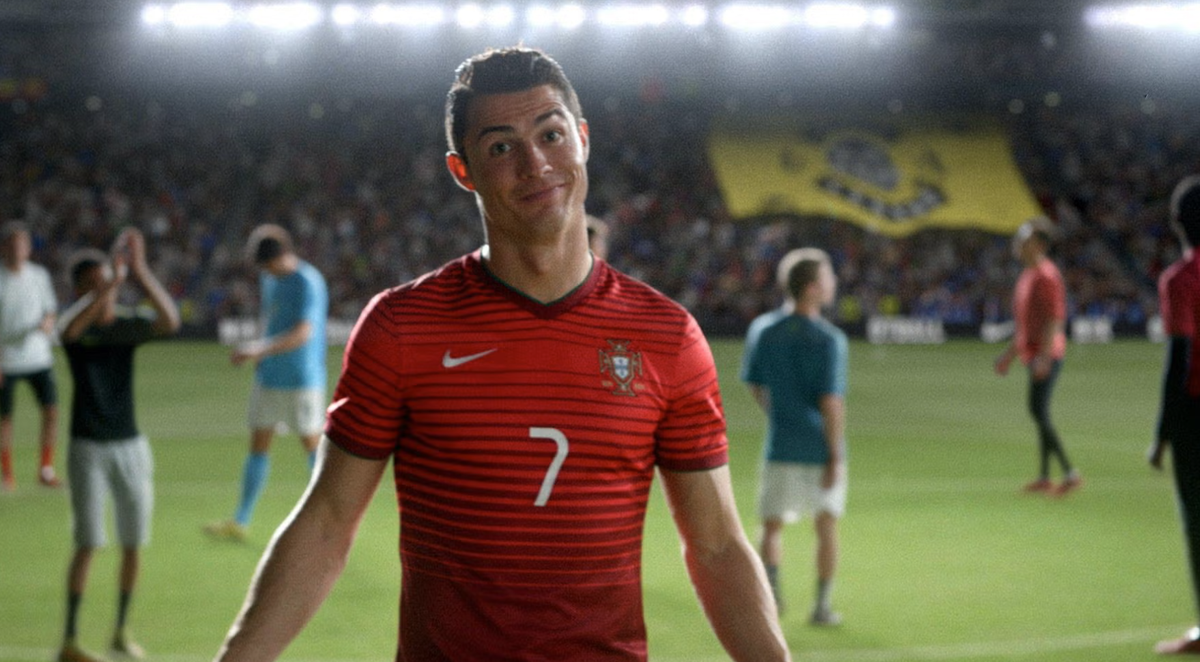
Where did all the exciting, fun sports campaigns go? The ones that were bold, full of personality, that made you feel something. These days it all feels predictable and safe, like we've traded creativity for numbers. Metrics matter, but that doesn't mean everything has to be boring.
Maybe it's just me, but it feels like sports marketing is losing its magic. Instead of personality and flair, we're getting templated, formulaic content. Instead of unforgettable campaigns, we're getting generic sponsor placements and uninspired social posts. Scroll, double tap, move on.
But sports marketing matters. It drives revenue, sure, but it drives connection too: fan engagement, brand loyalty, and a chance for teams and athletes to actually show some personality. Done right, it shapes culture.
So what's happened? Why has it lost its spark? Sport and emotion have always gone hand in hand, so why can't that be true for the marketing around it too?
Before I get into it, let me clear something up: this isn't a "back in my day" complaint. There's plenty of great stuff out there right now. It just feels like modern sports marketing has shifted toward playing it safe, missing what made the best campaigns land in the first place: emotion, boldness, storytelling.
Over the last decade or so, there's been a real shift. Innovation and creativity still get talked about in the industry, but in practice they often come second to data, performance metrics, and tick-box content. KPIs need to be hit and benchmarks need to be exceeded for a campaign to count as a success, and that becomes the issue once they're the only thing that matters.
Let's zoom out from sports marketing for a second and look at sport as a whole. Across major sports around the world, there's less room for personality and flair. Celebrations get policed with yellow cards or technical fouls. Certain players get criticised just for behaving the "wrong" way, on social media and in the wider coverage. Fans know how passionate sport can be, so why are athletes expected to hold it back? Everything now feels focused on stats and output, and flair has taken a back seat.
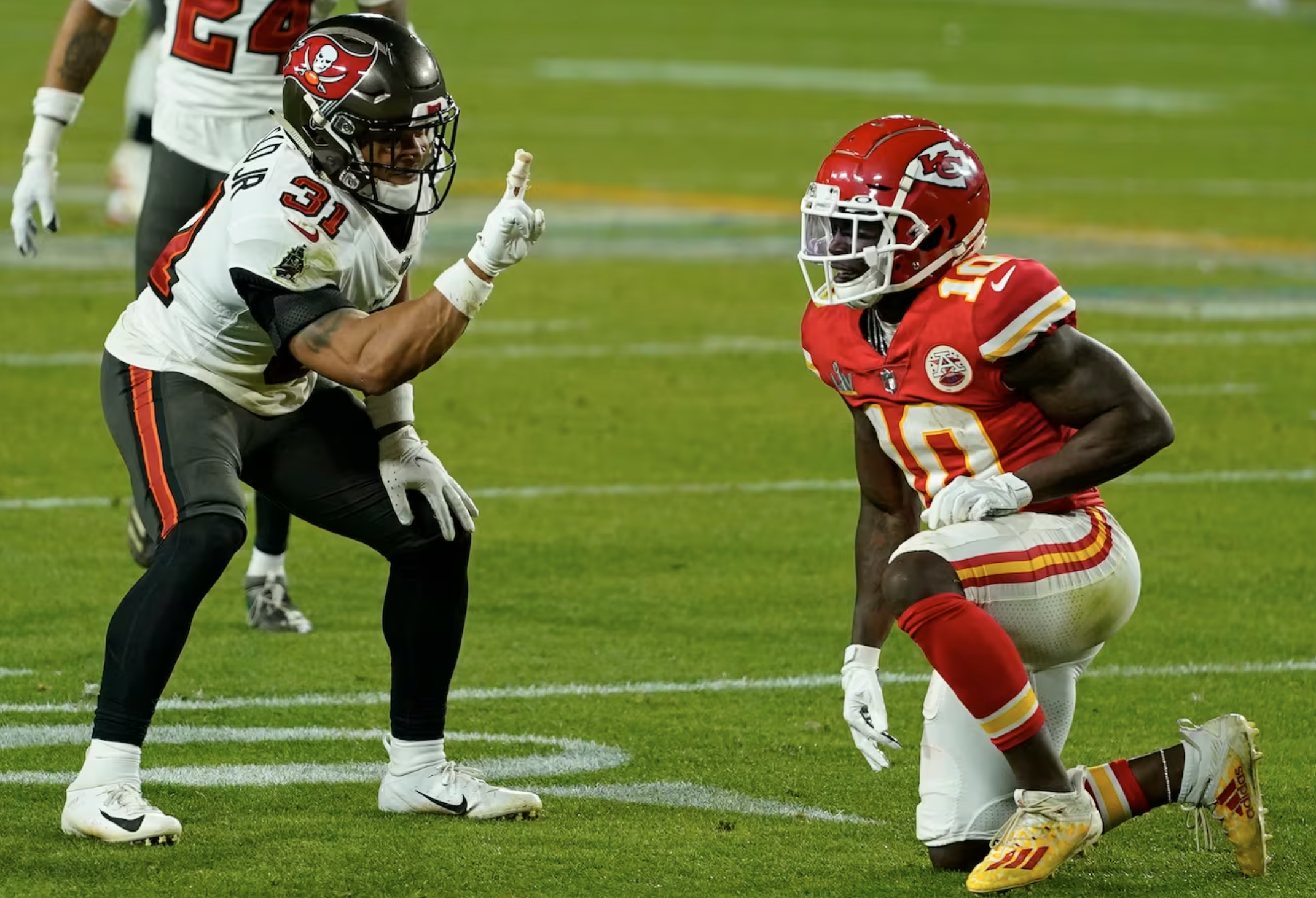
Even online, most athlete and club accounts are run by agencies or PR teams. Aside from a few exceptions (Kevin Durant and Neal Maupay come to mind), we don't see much personality anymore, and when players do show it, they're often shut down or told they've stepped out of line. Somewhere along the way, the fun started getting filtered out. When that disappears from sport, it's no surprise it fades from the marketing too.
Back to marketing: in today's digital world, everything is measurable. Social media platforms and CRM systems make it easy to track clicks, impressions, open rates, and plenty more. Chase those as the whole goal and you stop building a brand or connecting with fans, you're just chasing numbers. Data matters in marketing, but it shouldn't be limited to getting someone to click a button a certain number of times.
There's no real connection half the time. Take sponsorships: they're everywhere, on kits, in stadiums, during interviews, and the global sponsorship market is estimated to be worth close to $100 billion this year alone. Sponsorship itself isn't the issue. Too often there's no activation or story behind it, just logos plastered across every surface, hoping repetition does the job. That's a lot of money riding on hope. Trying to appeal to everyone usually means a brand ends up saying very little at all.
Underneath all of this, maybe it comes down to fear. Brands don't want to offend anyone or get "cancelled", so they don't want to take risks and do something original in case it backfires. It's understandable. But when everyone plays it safe, nothing stands out.
So yes, creativity still matters. Fans don't just watch sport, they feel every moment of it: the emotion, the drama, the storylines. The best marketing taps into that. The more meaningful and memorable the campaign, the stronger the brand loyalty and the deeper the fan connection. Going viral is great, but it's the lasting impression that actually counts.
More and more, people are starting to value brands that show a bit of personality, not the faceless, corporate kind that say all the right things but leave no real impression. There are brands getting it right. Nike's Rip the Script and Adidas's Backyard Legends both leaned on the same trick for the 2026 World Cup: mixing current stars like Mbappé, Haaland and Messi with retired legends like Ronaldinho, Cantona and Zidane, playing hard on nostalgia. It worked because it felt like the old World Cup campaigns that were actually fun to watch. F1's Drive to Survive opened the sport up to a whole new wave of fans by focusing on the drama, the rivalries, and the personalities behind the helmets rather than just the racing. Then there's Wrexham AFC. Their rise from a small Welsh club to a globally recognised name has been fuelled by storytelling, smart brand partnerships, and a bit of Hollywood magic from Ryan Reynolds and Rob McElhenney. From Super Bowl ads to social media moments, they've shown how far personality can take a brand.
These are just a few examples, but they all have one thing in common: they're original, they've got a voice, and they don't take themselves too seriously. That's what people connect with. A bit of fun, a bit of originality, and a brand that feels human.
Which brings us to the harder question: how do we actually bring it back?
Brands need to shift their mindset from selling to storytelling. The best campaigns don't shout "buy this", they fit into the culture and feel like they belong to something. Fans want to be part of something bigger, and when brands focus on that, the selling takes care of itself.
That means a few concrete things. Give some campaigns permission to skip the KPI dashboard entirely and just be fun, the way Nike and Adidas did for the World Cup. Stop treating sponsorship as a logo-placement exercise and start building real activations around the communities that already exist around a club or a sport, instead of hoping repetition alone builds affinity. Let athletes and players have more control over their own platforms instead of running every post through an agency filter, because the personality that makes someone worth following is exactly what gets stripped out along the way. None of that is complicated. It just takes brands willing to let go of certainty for a campaign or two.
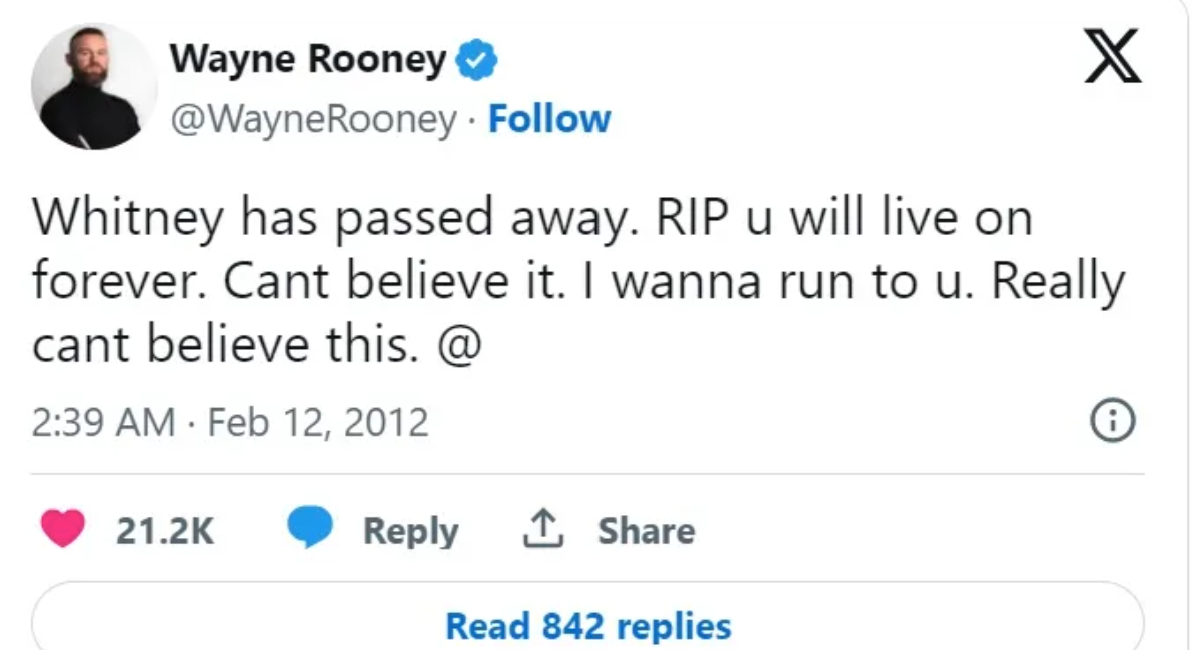
So, to answer the question, where's the fun gone? I don't think it's completely disappeared, but it has drifted. The shift towards data and metrics has made campaigns feel safer, more filtered, and less connected. Take the personality out, and you weaken the relationship with fans.
This isn't me complaining about the state of sports marketing. There are still some great campaigns happening right now. It's about acknowledging that brands could be doing so much more, the way they have done in the past.
That's the gap worth closing: learning from what's worked before and combining it with the tools and platforms we have today to build something fresh. The hope is that this platform grows into something that drives change and starts conversations by challenging the norm.
So watch this space.